
The book of Daniel stands as one of the clearest witnesses that Bible prophecy is not guesswork, imagination, or human speculation. It shows that the God of heaven knows the end from the beginning and is able to reveal the course of history before it unfolds. Daniel was written in the setting of exile, when God’s people were under Babylonian captivity and earthly kingdoms seemed to hold all the power. Yet through dreams and visions, God showed that human empires rise and fall, while His kingdom alone will endure forever.
This study covers two great prophetic surfaces: Daniel chapter 2, where God gave King Nebuchadnezzar a dream of a great image made of different metals; and the book of Revelation, which extends Daniel’s prophetic line into the last scenes of earth’s history. Together they form one unified message — God is in control of history, the kingdoms of this world will not have the final word, and the everlasting kingdom of Christ is coming.
A prophetic word we can trust
Scripture presents prophecy as one of the evidences that God is truly God. The apostle Peter wrote of a “more sure word of prophecy” to which believers do well to take heed.
“We have also a more sure word of prophecy; whereunto ye do well that ye take heed, as unto a light that shineth in a dark place, until the day dawn, and the day star arise in your hearts.”
2 Peter 1:19, KJV
Amos declares the same principle from the other end of Scripture. God does not leave His people in darkness concerning the great issues of salvation, judgment, and the end of the world.
“Surely the Lord GOD will do nothing, but he revealeth his secret unto his servants the prophets.”
Amos 3:7, KJV
Prophecy is not given to satisfy curiosity, but to strengthen faith and call people to prepare their hearts for God’s purposes.
Nebuchadnezzar’s dream: the great image
In Daniel 2, King Nebuchadnezzar of Babylon received a troubling dream. Though his wise men could not reveal or interpret it, Daniel and his friends sought the God of heaven in prayer. God then revealed the dream and its meaning to Daniel, showing that the interpretation came from God, not from human wisdom.
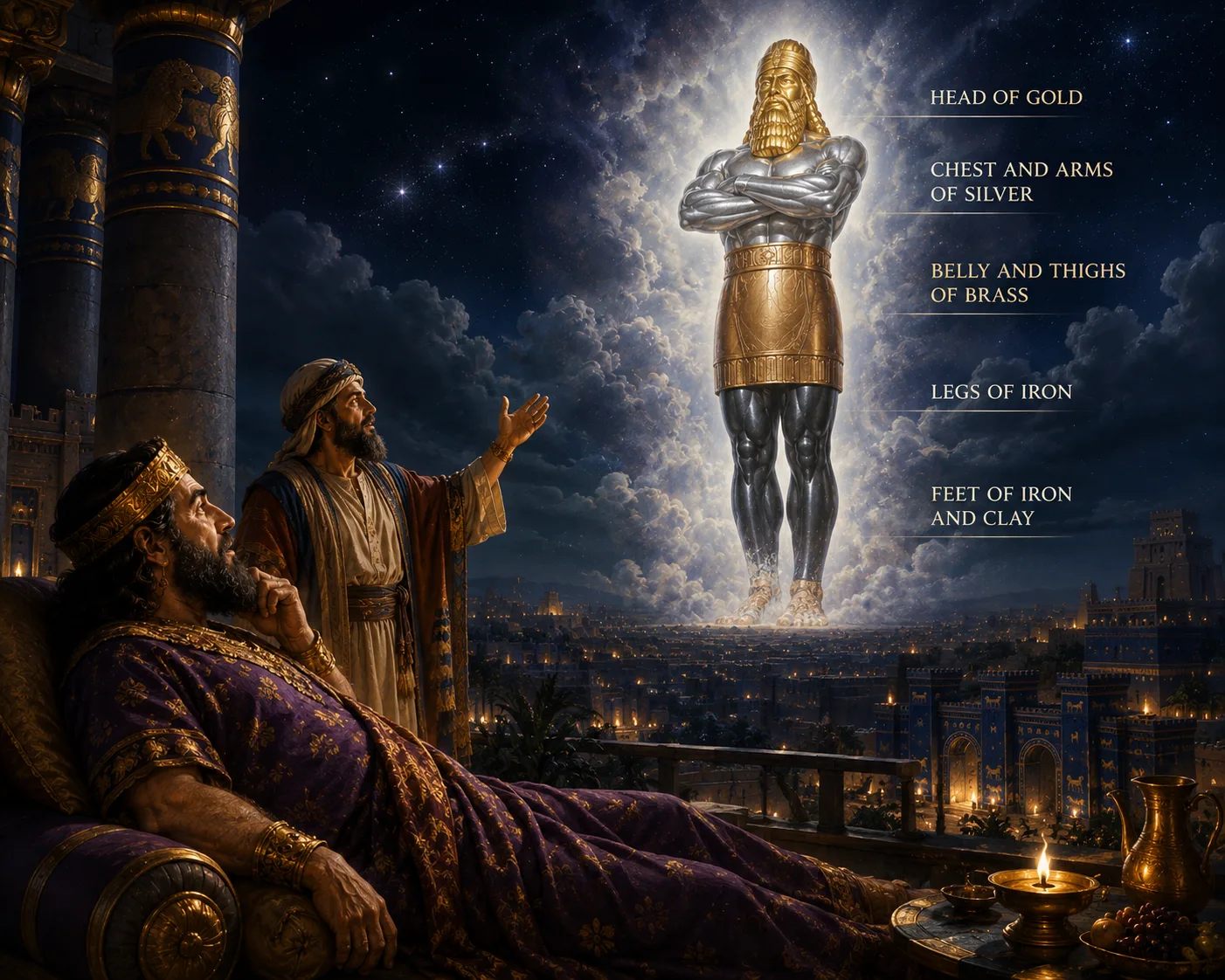
Daniel told the king that he had seen a great image. Its head was gold, its breast and arms were silver, its belly and thighs were brass, its legs were iron, and its feet were partly iron and partly clay. Then a stone cut out “without hands” struck the image upon the feet and broke the whole image to pieces. That stone became a great mountain and filled the whole earth (Daniel 2:31-35).
The kingdoms represented by the image
Daniel did not leave the meaning of the image to speculation. By divine revelation, he identified the head of gold as Babylon and then described the kingdoms that would follow.
- Head · gold · Babylon. A glorious and powerful kingdom, represented by Nebuchadnezzar and his empire (Daniel 2:37-38).
- Breast and arms · silver · Medo-Persia. An inferior kingdom that would arise after Babylon (Daniel 2:39; Daniel 5:28).
- Belly and thighs · brass · Greece. A third kingdom that would bear rule over the earth (Daniel 2:39).
- Legs · iron · Rome. A strong kingdom that would break in pieces and subdue others (Daniel 2:40).
- Feet and toes · iron mixed with clay · divided kingdoms after Rome. A divided state of nations, partly strong and partly broken, unable to cleave together permanently (Daniel 2:41-43).
- Stone cut without hands · the kingdom of God. God’s everlasting kingdom, which will never be destroyed (Daniel 2:44-45).
Babylon: the head of gold
God plainly identified the head of gold: “Thou art this head of gold” (Daniel 2:38). Babylon was wealthy, majestic, and powerful. Yet even Babylon, with all its glory, would not last forever. Daniel declared that another kingdom would arise after it. History confirms that Babylon fell to the Medes and Persians, just as the prophetic outline foretold.
This is a sobering lesson. No matter how impressive a kingdom may appear, earthly greatness is temporary. The glory of Babylon could not prevent its fall, because God had already revealed that another kingdom would come.
Medo-Persia and Greece: the silver and brass kingdoms
After Babylon came Medo-Persia, represented by the breast and arms of silver. The very book of Daniel records Babylon’s fall and the transfer of power:
“Thy kingdom is divided, and given to the Medes and Persians.”
Daniel 5:28, KJV
This kingdom was followed by Greece, represented by brass — a kingdom that spread with remarkable speed and influence. The accuracy of this sequence strengthens confidence in Scripture. Daniel 2 is not a vague prediction that could mean anything. It gives a structured progression of kingdoms, and history unfolded according to the order God revealed.
Rome: the iron kingdom
The fourth kingdom was represented by iron. Daniel said, “The fourth kingdom shall be strong as iron” (Daniel 2:40). Rome fits this symbol well, known for its military strength, legal power, and ability to crush the nations that stood before it. As iron breaks in pieces, Rome subdued and absorbed much of the ancient world.
Yet the prophecy did not say another single world empire would replace Rome in the same way. Instead, the image moves from the legs of iron to the feet and toes of iron mixed with clay, showing division rather than a unified successor empire.
The feet of iron and clay: a divided world
Daniel said the kingdom would be divided, partly strong and partly broken (Daniel 2:41-42). The iron remained, but it was mixed with miry clay.
“They shall mingle themselves with the seed of men: but they shall not cleave one to another, even as iron is not mixed with clay.”
Daniel 2:43, KJV
This is one of the most striking parts of the prophecy. After Rome’s decline, the territory of the empire was divided into separate kingdoms and nations. Through the centuries, rulers and empires attempted to reunite Europe and restore a single dominion, but permanent unity did not come. The prophecy said they would not cleave together, and history has demonstrated the certainty of God’s word.
The stone cut without hands: Christ’s everlasting kingdom
The prophecy does not end with human kingdoms. Daniel saw a stone cut out without hands — meaning a kingdom not built by human power. This stone struck the image, destroyed the kingdoms of this world, and became a great mountain that filled the whole earth.
“And in the days of these kings shall the God of heaven set up a kingdom, which shall never be destroyed: and the kingdom shall not be left to other people, but it shall break in pieces and consume all these kingdoms, and it shall stand for ever.”
Daniel 2:44, KJV
This is the climax of the prophecy. The final hope of the world is not Babylon, Persia, Greece, Rome, or any modern political power. The final hope is the kingdom of God, established by Christ and never to be destroyed. This stone points us to Jesus Christ, the true Rock. Earthly kingdoms are temporary, but Christ’s kingdom is everlasting.
Why Daniel 2 matters today
Daniel 2 matters because it shows that God is in control of history. Nations may boast in their strength, leaders may seek power, and the world may appear unstable, but prophecy reveals that history is moving toward a divine conclusion. The kingdoms of this world will not have the final word. God will.
This prophecy also calls us to examine where our trust is placed. If every earthly kingdom eventually falls, then it is foolish to build our hope on human systems. The believer is called to seek first the kingdom of God and to live as a citizen of heaven while still walking faithfully on earth.
At the end of Daniel’s interpretation, the king himself acknowledged that Daniel’s God was “a God of gods, and a Lord of kings, and a revealer of secrets” (Daniel 2:47). Daniel sealed it with a single line:
“The dream is certain, and the interpretation thereof sure.”
Daniel 2:45, KJV
From Daniel’s foundation to Revelation’s unveiling
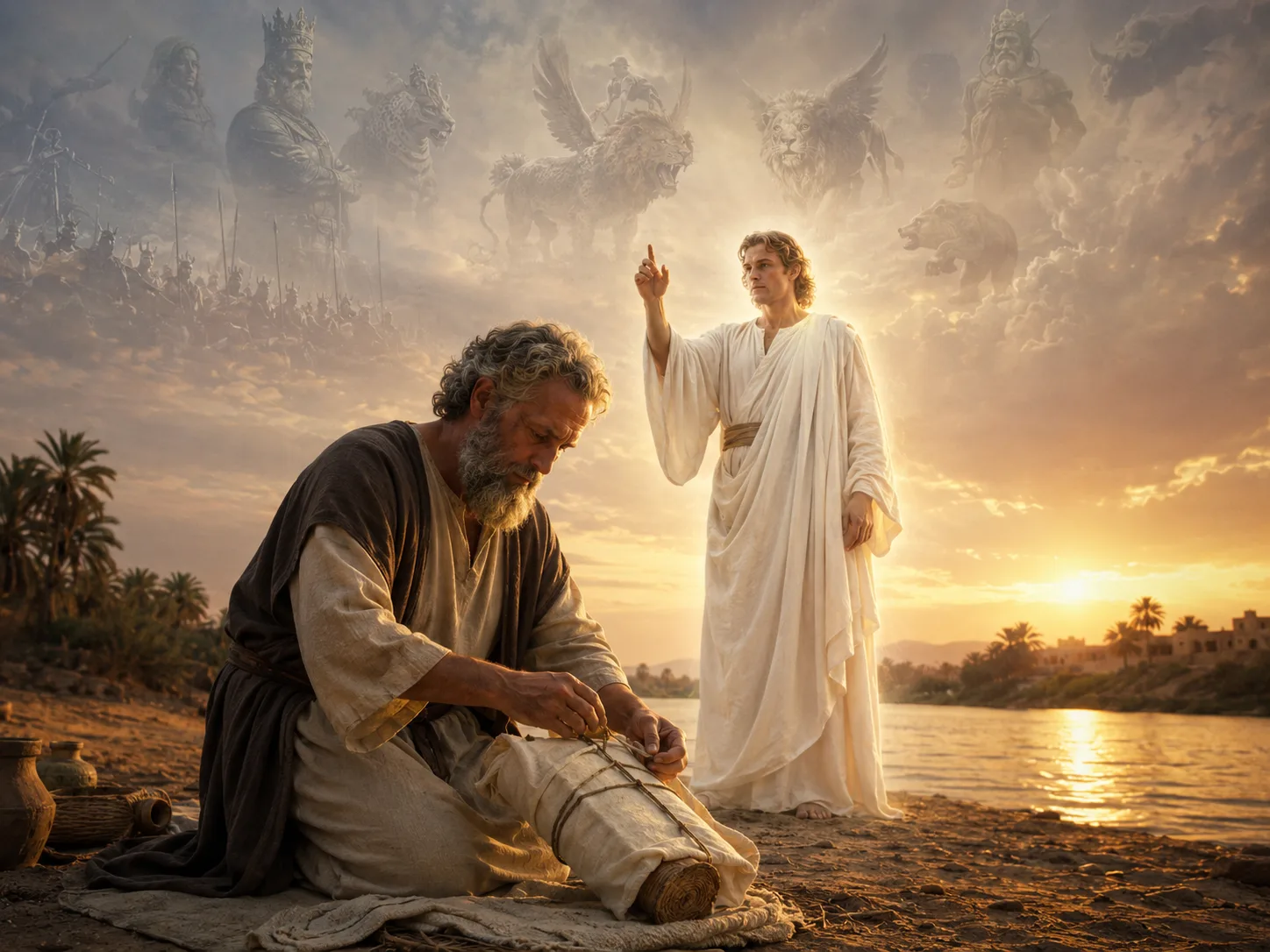
Daniel laid the prophetic foundation; Revelation completes it. Daniel was told that certain prophetic matters would be sealed “even to the time of the end,” and that in that time “many shall run to and fro, and knowledge shall be increased” (Daniel 12:4). Revelation takes that foundation and expands it. Daniel gives the outline of world empires and the rise of end-time powers; Revelation gives the final details of the spiritual conflict, the last warning message, the mark of the beast, the plagues, the second coming, the millennium, and the new earth.
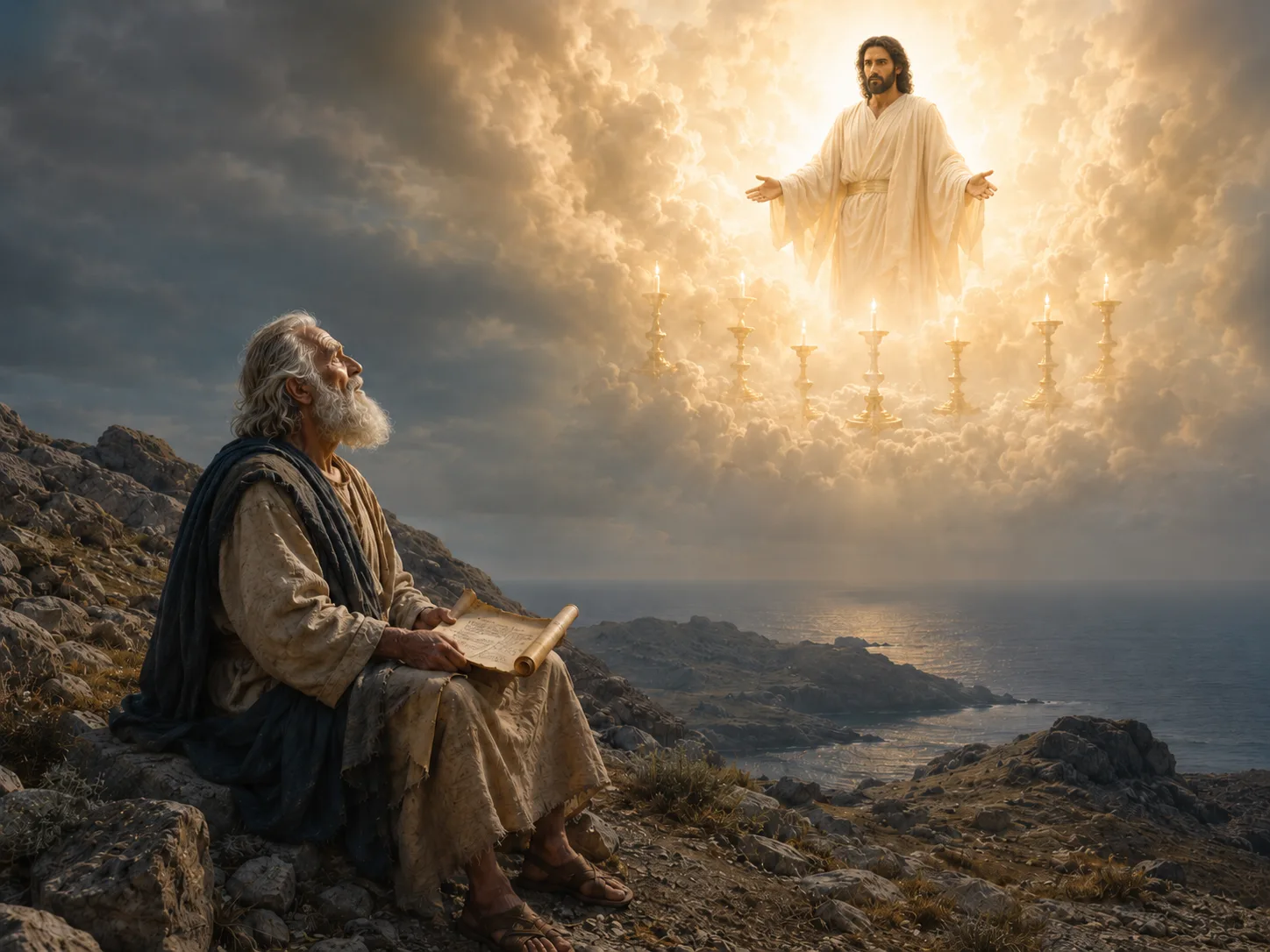
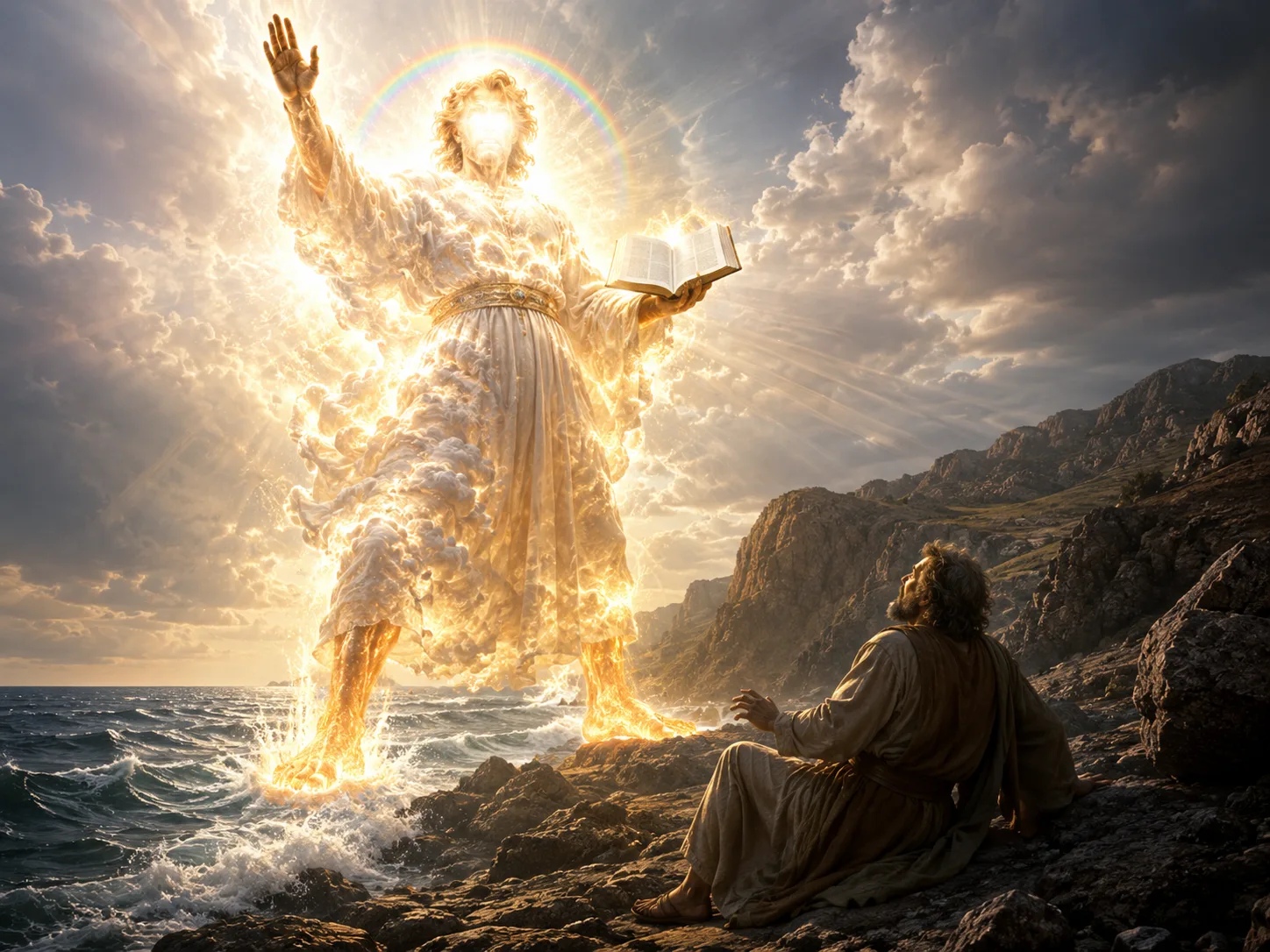
The book of Revelation is often treated as a closed book, full of frightening symbols, mysterious beasts, and impossible language. Yet the very first verse tells us that Revelation is not meant to hide truth from God’s people.
“The Revelation of Jesus Christ, which God gave unto him, to shew unto his servants things which must shortly come to pass.”
Revelation 1:1, KJV
The word revelation means an unveiling. God did not give this book to confuse sincere seekers; He gave it to reveal Jesus Christ, to expose the final conflict between good and evil, and to prepare His people for the return of the King. The purpose of studying last-day events is not fear, speculation, or date-setting. The purpose is preparation.
Revelation and the world we see today
Revelation does not teach that every disaster or troubling headline is a direct fulfilment of a specific prophecy. Christians should avoid reckless sensationalism. Yet Jesus did tell us that before the end there would be “wars and rumours of wars,” “famines, and pestilences, and earthquakes, in divers places,” calling these things “the beginning of sorrows” (Matthew 24:6-8). Paul warned that “in the last days perilous times shall come” because men would be lovers of themselves, proud, blasphemers, unthankful, unholy, and lovers of pleasures more than lovers of God (2 Timothy 3:1-5).
When we look at the world today, we see conditions that make the warnings of Revelation feel increasingly relevant. Humanity now possesses weapons capable of devastating the earth. Communication can move across the world instantly. Financial systems are increasingly connected. Religious confusion is widespread. Occult and spiritualistic themes have become normalised in entertainment and culture. Moral restraint is mocked, while society still cries out for peace, safety, unity, and order.
These realities do not prove that we know the day or hour of Christ’s return. Jesus plainly said, “But of that day and hour knoweth no man” (Matthew 24:36). But they do show that the Bible’s description of the last days is not unrealistic. Revelation describes a final generation confronted by global pressure, spiritual deception, economic control, false worship, and a final call to choose between God’s commandments and the commandments of men.
The gospel will go to all the world
Even in its strongest warnings, Revelation is a missionary book. Before the final end, Jesus said, “This gospel of the kingdom shall be preached in all the world for a witness unto all nations; and then shall the end come” (Matthew 24:14). Revelation 14 presents this final worldwide message in the symbol of three angels flying in the midst of heaven, carrying a message “to every nation, and kindred, and tongue, and people” (Revelation 14:6).
“Fear God, and give glory to him; for the hour of his judgment is come: and worship him that made heaven, and earth, and the sea, and the fountains of waters.”
Revelation 14:7, KJV
The first angel calls mankind back to the Creator. It is a call to true worship. The final crisis is not merely political or economic; it is worship-centred. Revelation reveals two groups: those who worship the Creator and receive the seal of God, and those who worship the beast and receive his mark. The gospel going to the whole world means that before judgment falls, God gives a clear warning and a merciful invitation. No one needs to be deceived.
The rise of spiritual deception
One of Revelation’s strongest warnings concerns deception. Jesus warned that false Christs and false prophets would arise and “shew great signs and wonders; insomuch that, if it were possible, they shall deceive the very elect” (Matthew 24:24). Paul wrote that Satan can transform himself into “an angel of light” (2 Corinthians 11:14). Revelation describes demonic spirits working miracles and gathering the world toward the final conflict (Revelation 16:13-14).
This matters because many people assume that supernatural power must automatically be from God. The Bible says otherwise. Miracles alone are not the test of truth. The true test is the Word of God.
“To the law and to the testimony: if they speak not according to this word, it is because there is no light in them.”
Isaiah 8:20, KJV
Revelation shows that the last deception will be religious. It will not appear obviously evil to the world. It will appear convincing, moral, unifying, and powerful. Many will believe they are following light when they are actually being led into rebellion against God’s commandments. This is why the people of God must learn to test everything by Scripture before the crisis comes.
The mark of the beast and the seal of God
Revelation 13 warns of a beast power that causes the world to worship falsely and enforces a mark connected with buying and selling (Revelation 13:16-17). Revelation 14 gives the warning against receiving that mark, declaring that those who worship the beast and his image will face the wrath of God (Revelation 14:9-10). This is one of the most serious warnings in all Scripture.
The issue is not a random symbol, a computer chip, or an accidental mistake. The heart of the matter is worship and authority.
“Here is the patience of the saints: here are they that keep the commandments of God, and the faith of Jesus.”
Revelation 14:12, KJV
The seal of God represents belonging to Him, receiving His authority, and being settled into loyalty to His truth. The mark of the beast represents submission to a counterfeit authority in opposition to God’s commandments. Before the final judgments fall, God gives a final message so that every person may choose whom they will worship.
The seven last plagues and God’s protection
After the final warning has gone to the world and human probation closes, Revelation describes the seven last plagues poured out upon those who receive the mark of the beast (Revelation 15-16). These judgments are severe because the final rebellion is severe. The world has rejected God’s mercy, persecuted His people, and chosen the beast’s authority over the Creator’s authority.
The plagues echo the judgments that fell upon Egypt in the days of Moses. Just as God protected Israel while Egypt was judged, Revelation shows that God’s people are not abandoned during the final crisis.
“A thousand shall fall at thy side, and ten thousand at thy right hand; but it shall not come nigh thee.”
Psalm 91:7, KJV
God’s faithful may suffer persecution, hunger, imprisonment, and trial, but they are never forsaken. The plagues prepare the way for the final deliverance of God’s people at the coming of Christ.
Armageddon: the final conflict
The word Armageddon appears in Revelation 16:16. Many imagine it only as a military battle in the Middle East, but Revelation presents it as the climax of the great controversy between Christ and Satan. It is the final gathering of the powers of earth against God, His truth, and His people.
“And the dragon was wroth with the woman, and went to make war with the remnant of her seed, which keep the commandments of God, and have the testimony of Jesus Christ.”
Revelation 12:17, KJV
The dragon’s hatred is directed against those who remain faithful to Jesus. The issue is not merely territory, politics, or human survival. The issue is loyalty to God. In the darkest hour, when the faithful seem surrounded and helpless, God intervenes. The battle does not end with the triumph of human armies, but with the appearing of Christ. Revelation’s message is clear: the final victory belongs not to the beast, not to the dragon, not to the kings of the earth, but to the Lamb.
The second coming will be visible and glorious
Revelation does not teach a secret coming of Christ.
“Behold, he cometh with clouds; and every eye shall see him, and they also which pierced him: and all kindreds of the earth shall wail because of him.”
Revelation 1:7, KJV
Jesus said His coming would be like lightning shining from east to west (Matthew 24:27). Paul wrote that “the Lord himself shall descend from heaven with a shout, with the voice of the archangel, and with the trump of God” (1 Thessalonians 4:16).
“The dead in Christ shall rise first: then we which are alive and remain shall be caught up together with them in the clouds, to meet the Lord in the air: and so shall we ever be with the Lord.”
1 Thessalonians 4:16-17, KJV
This is the blessed hope of the believer. The faithful are not saved by escaping trials through compromise; they are delivered by the appearing of Jesus Christ. For the wicked, the second coming is terror — Revelation describes them calling for rocks and mountains to fall on them, because they are not ready to face the Lamb (Revelation 6:15-17).
The millennium and the judgment
Revelation 20 describes a thousand-year period after the second coming. During this time, Satan is bound in the bottomless pit — not by chains of iron, but by circumstances. The righteous are in heaven with Christ, and the wicked are dead upon the desolated earth. Satan has no one left to deceive (Revelation 20:1-3).
During the millennium, the redeemed participate in a work of judgment. Paul wrote, “Do ye not know that the saints shall judge the world?” and “Know ye not that we shall judge angels?” (1 Corinthians 6:2-3). This does not mean the redeemed overrule God. It means God opens the records so His people can understand the justice of His decisions. Every question is answered. Every hidden motive is revealed. Every saved person sees that God was merciful, patient, truthful, and righteous in all His ways.
This part of Revelation shows the transparency of God’s government. God does not ask the universe to trust Him blindly while hiding the evidence. Before sin is destroyed forever, the redeemed are given full assurance that no one was lost because God lacked mercy, and no one was saved except through the grace and righteousness of Christ.
The final judgment and the end of sin
At the end of the thousand years, Revelation says the rest of the dead are raised (Revelation 20:5). Satan is loosed because he again has people to deceive. He gathers the lost in one final attempt to attack the beloved city, but the rebellion ends in judgment.
“And fire came down from God out of heaven, and devoured them.”
Revelation 20:9, KJV
This final fire is not God’s delight in suffering. Scripture says God has no pleasure in the death of the wicked (Ezekiel 33:11). The fire is the final destruction of sin, sinners, Satan, and death itself. Revelation calls this “the second death” (Revelation 20:14). Sin is not preserved forever in a corner of God’s universe. It is brought to a complete end.
The final judgment proves that God is both just and merciful. Those who are lost are not destroyed because God refused to save them, but because they refused the life He freely offered in His Son.
The new heaven and the new earth
Revelation does not end with beasts, plagues, persecution, or fire. It ends with restoration. John wrote, “And I saw a new heaven and a new earth: for the first heaven and the first earth were passed away” (Revelation 21:1). The New Jerusalem descends from God out of heaven, and God dwells with His people forever.
“And God shall wipe away all tears from their eyes; and there shall be no more death, neither sorrow, nor crying, neither shall there be any more pain: for the former things are passed away.”
Revelation 21:4, KJV
Everything sin damaged will be healed. Everything Satan stole will be restored. The earth will not be abandoned to evil forever; it will become the eternal home of the redeemed. The last-day message is therefore not only a warning. It is an invitation. Revelation calls sinners out of Babylon, away from false worship, away from deception, and into the kingdom of God.
How to read Daniel and Revelation faithfully
- Keep Jesus at the centre. The book begins as the Revelation of Jesus Christ, and every prophecy ultimately points to His victory.
- Let Scripture interpret Scripture. Revelation’s symbols are rooted in Daniel, Exodus, the prophets, the sanctuary, the teachings of Jesus, and the rest of the Bible.
- Avoid date-setting. Prophecy is given to prepare character and strengthen faith, not to satisfy curiosity.
- Focus on worship and obedience. Revelation repeatedly contrasts true worship with false worship. The question is not merely what we know about prophecy, but whether we love Jesus enough to follow Him.
- Receive the promise attached to the book. “Blessed is he that readeth, and they that hear the words of this prophecy, and keep those things which are written therein” (Revelation 1:3).
Conclusion: the Lamb wins
Revelation is not a book designed to make God’s people afraid of the future. It is a book designed to make God’s people faithful in the present. It tells us that the world will not drift into paradise by human wisdom. It tells us that deception will increase, that false worship will be enforced, that God’s commandments will be tested, and that the faithful will need patient endurance. But it also tells us that Jesus is coming, that the dead in Christ will rise, that Satan will be defeated, that sin will be destroyed, and that God will make all things new.
The last-day events are serious, but the centre of the message is hope. The same Jesus Who died for sinners now ministers for His people, warns the world in mercy, seals those who belong to Him, delivers them at His coming, and prepares an eternal home where death and sorrow will never rise again.
The great question is not whether Daniel and Revelation are trustworthy. The question is whether we will trust the Christ revealed in them. The final invitation still stands:
“And the Spirit and the bride say, Come. And let him that heareth say, Come. And let him that is athirst come. And whosoever will, let him take the water of life freely.”
Revelation 22:17, KJV
A simple timeline of last-day events
- Signs of the end. Wars, disasters, increased knowledge, moral decline, spiritual deception, and global gospel witness point to the closing scenes of history.
- Final gospel warning. The three angels’ messages call the world to worship the Creator, reject Babylon, and avoid the mark of the beast.
- Final crisis. The world is divided between those loyal to God and those who follow the beast’s false worship system.
- Close of probation and plagues. The seven last plagues fall upon those who have rejected God’s final warning.
- Armageddon. The final conflict reaches its climax as Satan’s forces oppose God’s faithful people.
- Second coming. Christ returns visibly and gloriously; the righteous dead are raised and the living righteous are caught up to meet Him.
- Millennium. The redeemed are with Christ while Satan is bound on a desolated earth, unable to deceive the nations.
- Final judgment. The lost are raised, the records are opened, God’s justice is revealed, and sin is destroyed forever.
- New earth. God creates a new heaven and a new earth where death, sorrow, crying, and pain are gone forever.