



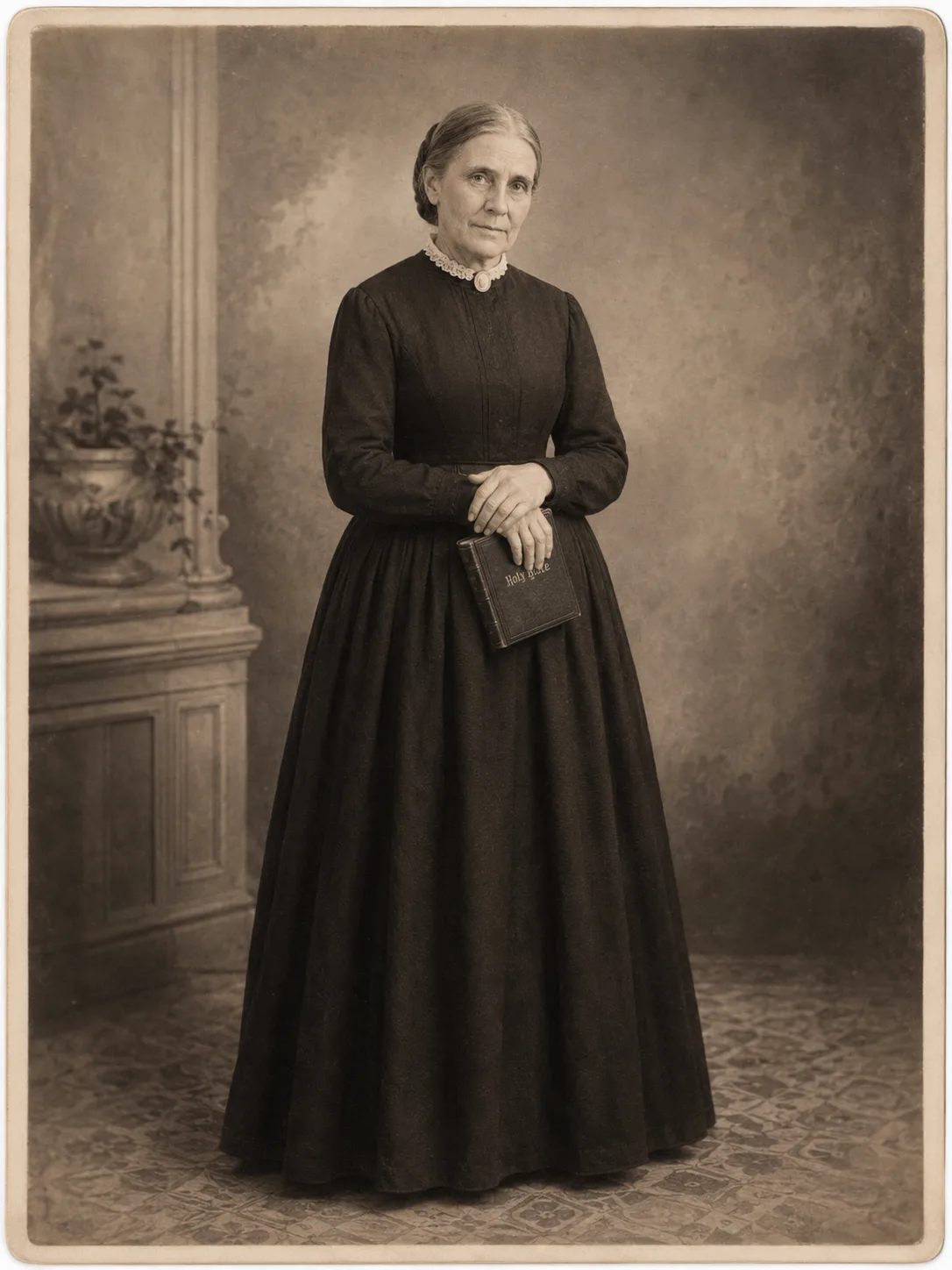
Important clarification: Ellen White never becomes the Spirit of Prophecy, nor is any human messenger the source of prophecy. Revelation 19:10 says, "the testimony of Jesus is the spirit of prophecy." The Spirit of Prophecy is the testimony that comes from Jesus Christ. He is the source, the Head of the church, the faithful Witness, and the One Who speaks to His people through the prophetic gift.
The Advent faith did not arise as a movement built on speculation, excitement, or human tradition. It arose from the conviction that God had spoken in Scripture, that the prophecies of Daniel and Revelation were sure, and that the last generation would need clear light from heaven in order to stand through the closing events of earth's history. Among the historic pillars of Adventism, the Spirit of Prophecy holds a special place because it deals with the way Christ continues to guide, warn, correct, and encourage His people.
This subject has often been misunderstood. Some have treated the prophetic gift as though it replaced the Bible. Others have rejected it altogether because they fear any modern prophetic claim must compete with Scripture. A balanced biblical view avoids both errors. The Bible remains the supreme rule of faith and doctrine. The prophetic gift, when genuine, does not create another Bible, add a new gospel, or take the place of Christ. It points back to Scripture, exalts the Son of God, exposes sin, and prepares a people to obey God from the heart.
This article explains the Spirit of Prophecy from an Adventist perspective, while keeping the emphasis where the Bible places it: on Jesus Christ. He is the true Witness. He is the One Who sends messages to His servants. He is the One Who walks among the candlesticks, searching His church, calling sinners to repentance, strengthening the faithful, and preparing His people for His soon return.
The Testimony of Jesus Is the Spirit of Prophecy
The clearest biblical definition of the Spirit of Prophecy is found in Revelation 19:10: "for the testimony of Jesus is the spirit of prophecy." This statement is simple, but very important. The Spirit of Prophecy is not first a person, an institution, a denomination, or a book collection. It is the testimony of Jesus. Prophecy is Christ speaking, Christ revealing, Christ warning, Christ comforting, and Christ directing His people according to the will of God.
Revelation 1:1 gives the same order: "The Revelation of Jesus Christ, which God gave unto him, to shew unto his servants things which must shortly come to pass." God gives the revelation to His Son; Christ communicates it to His servants; and the prophetic message reaches the church. This pattern shows that prophecy is not independent religious imagination. True prophecy begins with God and comes through Jesus Christ.
That is why no faithful Christian should speak as though Ellen White herself is the Spirit of Prophecy. She is understood in Adventist history as a messenger through whom the prophetic gift was manifested, but the gift itself belongs to Christ. The authority, light, warning, and testimony come from Him. When this order is kept clear, the subject becomes much easier to understand: the church is not asked to follow a human personality, but to receive the testimony of Jesus wherever He has truly given it.
The Bible Predicted Prophetic Guidance in the Last Days
The prophetic gift did not disappear simply because the apostolic age closed. Scripture teaches that God gives spiritual gifts to His church for its strengthening and preparation. Paul wrote that Christ gave gifts to the church "for the perfecting of the saints, for the work of the ministry, for the edifying of the body of Christ" (Ephesians 4:12). These gifts include apostles, prophets, evangelists, pastors, and teachers, and they continue to serve the church until it reaches maturity in the faith.
Joel also foretold a special outpouring of the Spirit before the great and terrible day of the Lord: "your sons and your daughters shall prophesy" (Joel 2:28). Peter applied Joel's prophecy to the work of the Spirit in the early church, but the language of Joel also reaches forward to the final scenes before the day of the Lord. The Bible therefore gives room for prophetic guidance among God's people before the end.
Revelation identifies the final conflict in terms of commandment keeping and the testimony of Jesus. The dragon makes war with the remnant "which keep the commandments of God, and have the testimony of Jesus Christ" (Revelation 12:17). Later, Revelation explains that the testimony of Jesus is the Spirit of Prophecy. In other words, the remnant people are not only commandment-keeping people; they are also a people who receive and value the testimony of Christ.
The Spirit of Prophecy and the Remnant Church
Adventism understands itself as a prophetic movement raised up to proclaim the three angels' messages of Revelation 14. This does not mean Adventists are saved by belonging to a movement, nor does it mean every person who uses the Adventist name is faithful. It means the message itself is prophetic: fear God, give glory to Him, proclaim the hour of His judgment, worship the Creator, expose Babylon, and warn against the beast, his image, and his mark.
A movement entrusted with such a message would naturally need correction, encouragement, and warning. The early Advent believers were coming out of many denominations, carrying inherited errors, facing disappointment, and searching the Scriptures to understand the sanctuary, the Sabbath, the law of God, the state of the dead, and the soon return of Christ. In that setting, Adventists believe God manifested the prophetic gift through Ellen White to guide the movement back to the Bible and forward in its mission.
The important point is not that the church was to gather around a human authority. The point is that Christ, in mercy, did not leave His people without counsel. The prophetic gift helped confirm Bible truth, rebuke fanaticism, call for holiness, strengthen missionary work, and keep the movement from drifting away from the message it had been raised to give.
The Bible Must Remain the Supreme Standard
A true understanding of the Spirit of Prophecy never lowers the authority of Scripture. Isaiah 8:20 gives the test: "To the law and to the testimony: if they speak not according to this word, it is because there is no light in them." Any claimed prophetic message must be tested by the Bible. If it contradicts Scripture, it cannot be accepted as light from God.
This is why the Spirit of Prophecy should never be used as a shortcut around Bible study. God does not call His people to build doctrine on isolated quotations while neglecting the plain testimony of Scripture. The Bible is the foundation. The prophetic gift is a lesser light pointing to the greater light, not because Christ's testimony is weak, but because the canonical Scriptures remain the measuring rule by which all claims must be tested.
When rightly understood, the writings connected with the prophetic gift do not replace the Bible; they call the reader back to it. They do not create a different gospel; they magnify the gospel already revealed. They do not make Christ distant; they exalt Him as the Son of God, the Lamb of God, the heavenly High Priest, the coming King, and the only Mediator between God and man.
How to Test a Prophetic Claim
The Bible does not tell believers to be gullible. It says, "Believe not every spirit, but try the spirits whether they are of God" (1 John 4:1). It also says, "Despise not prophesyings. Prove all things; hold fast that which is good" (1 Thessalonians 5:20-21). These two commands belong together. Christians should not reject the prophetic gift simply because false prophets exist, but neither should they accept every claim without testing it.
A prophetic claim must agree with Scripture. It must exalt the true Christ rather than another Jesus. It must bear good fruit. It must call people away from sin rather than excuse disobedience. It must strengthen faith, deepen repentance, and harmonize with the great principles of God's law and gospel. It must not lead people into spiritualism, self-exaltation, confusion, or rebellion against God's commandments.
Adventists apply these tests to the ministry of Ellen White. Her work consistently points readers to Scripture, the commandments of God, the faith of Jesus, the heavenly sanctuary, the second coming, healthful living, Christian education, missionary labor, and practical godliness. This does not make her writings a second Bible. It means her ministry is understood as a genuine manifestation of the biblical prophetic gift, given to help prepare a people for the final work.
Common Misunderstandings About Ellen White
One misunderstanding is the idea that Adventists worship Ellen White or place her above the Bible. That is not the proper Adventist position. No human messenger is to receive the worship, trust, or dependence that belongs to God and His Son. The purpose of a messenger is to deliver the message, not to become the center of faith.
Another misunderstanding is the idea that accepting the prophetic gift means every statement must be used in a harsh or mechanical way. The counsels must be read honestly, carefully, prayerfully, and in context. They should not be weaponized to crush souls, nor should they be twisted to support personal agendas. Prophetic counsel is meant to lead to repentance, faith, obedience, and a closer walk with Christ.
A third misunderstanding is the belief that one must understand every detail of Ellen White's ministry before beginning to follow Bible truth. God leads people step by step. The first duty of every soul is to surrender to God, believe His Word, receive Christ, and walk in the light already given. As a person studies the Bible and the history of the Advent movement, the role of the prophetic gift can be examined carefully and fairly.
The Spirit of Prophecy and the Great Controversy
The Spirit of Prophecy is especially important because the final conflict is not merely political or cultural. It is a spiritual war between Christ and Satan, between truth and error, between worship of the Creator and worship of the beast. Revelation shows a dragon enraged with the commandment-keeping remnant. It shows Babylon making the nations drunk with false doctrine. It shows miracles and deception gathering the world against God.
In such a time, the people of God need more than religious sentiment. They need clear Bible truth. They need discernment. They need to understand the law of God, the Sabbath, the sanctuary, the judgment, the nature of death, the final deception, and the visible second coming of Christ. The prophetic gift has helped Adventists see these truths as part of one connected message rather than scattered doctrines.
The great controversy theme also protects the believer from a shallow view of salvation. Christ is not merely saving isolated individuals while history drifts aimlessly. He is vindicating the character of God, exposing the lies of Satan, cleansing a people from sin, and bringing the controversy to a righteous end. The Spirit of Prophecy points the mind to this larger biblical conflict and calls God's people to stand with Christ.
A Christ-Centered Use of the Prophetic Gift
The safest way to approach the Spirit of Prophecy is to keep Christ at the center. If the writings are read only to win arguments, condemn others, or collect alarming statements, the purpose is missed. The testimony of Jesus is meant to produce the character of Jesus in His people. It calls for humility, purity, faith, obedience, love, courage, and self-denial.
This also means that the prophetic gift should be used evangelistically and pastorally, not merely polemically. There are warnings in the message, and those warnings must not be softened until they lose their meaning. But warning is not the same as harshness. Christ warns because He loves. He rebukes because He wants to save. He exposes deception because souls are precious.
To read the Spirit of Prophecy in a Christ-centered way is to ask: How does this counsel lead me nearer to God? How does it help me understand Scripture? How does it prepare me for the judgment and the second coming? How does it make me more faithful in daily life? The prophetic gift is not given for curiosity, pride, or fear, but for preparation.
The Spirit of Prophecy and the Final Generation
Adventism teaches that a final generation will live through the closing crisis before the return of Christ. That generation will face deception, pressure, false worship, and a worldwide conflict over the commandments of God and the faith of Jesus. The Spirit of Prophecy has played a major role in warning Advent believers about these events and calling them to spiritual readiness.
This readiness is not merely intellectual. Knowing prophetic timelines is not enough. The final people of God must have living faith. They must be settled into truth, not only in theory but in experience. They must know God for themselves, trust Christ fully, confess and forsake sin, and allow the Spirit of God to form in them the character of the Son of God.
The prophetic gift therefore presses the church toward revival and reformation. It calls believers away from worldliness, pride, appetite, spiritual laziness, and compromise. It calls them to prayer, Bible study, healthful living, missionary work, Sabbath faithfulness, and practical holiness. These things are not a substitute for salvation by faith; they are the fruit of a faith that truly receives Christ.
Receiving Light Without Making an Idol of the Messenger
Every blessing from God can be misused if the heart is not surrendered. Some may reject light because they dislike the messenger. Others may exalt the messenger in a way that distracts from Christ. Both errors must be avoided. The Bible shows that prophets were often imperfect human beings, yet God used them to deliver real messages. The value of the message rests on the God Who gives it, not on human glory.
When people object to Ellen White because she was human, they should remember that all prophets were human. When people defend her in a way that sounds as though faith depends on her instead of Scripture and Christ, they should remember that no prophet is the Savior. The right path is simple: test the message by the Bible, receive the light that agrees with God's Word, and give all glory to God and His Son.
This balance allows the Spirit of Prophecy to serve its proper purpose. It becomes a gift to the church rather than a stumbling block. It strengthens confidence in Scripture rather than weakening it. It leads to Christ rather than replacing Him. It helps the believer hear the voice of the true Shepherd more clearly in a confused and deceptive age.
Why This Pillar Still Matters Today
The need for the Spirit of Prophecy has not passed away. If anything, the need for spiritual discernment is greater now than ever. The religious world is filled with confusion about creation, the Sabbath, the state of the dead, the sanctuary, the law of God, the second coming, the mark of the beast, and the identity of Babylon. Many Christians sincerely love God, yet inherited traditions often obscure the plain teachings of Scripture.
The testimony of Jesus cuts through confusion by calling the church back to the Bible. It does not flatter sin. It does not tell the church that compromise is harmless. It does not treat the final warning message as optional. It reminds believers that the world is nearing the close of probation, that Christ is ministering in the heavenly sanctuary, and that the people of God must be prepared to stand without yielding to the powers of Babylon.
For that reason, the Spirit of Prophecy remains one of the pillars of Adventism. It is not a decorative doctrine. It is part of Christ's care for His remnant people. It strengthens the message, clarifies the mission, and presses the conscience with the solemn reality that the Lord is coming soon.
Conclusion: The Testimony Belongs to Jesus
The Spirit of Prophecy should never be understood as the exaltation of Ellen White or any other human messenger. The testimony belongs to Jesus Christ. He is the faithful Witness. He is the Son of God. He is the One through Whom God reveals truth to His servants. He is the One Who calls His people out of Babylon, cleanses them from sin, and prepares them for His appearing.
Ellen White's role, rightly understood, is that of a messenger through whom Christ gave counsel, warning, correction, and encouragement to the Advent movement. Her writings must be tested by Scripture, read in harmony with Scripture, and used to lead people back to Scripture. They are not the foundation of the faith; the Word of God is. But when the prophetic gift is received in its proper place, it becomes a powerful blessing.
The final church needs the commandments of God and the testimony of Jesus. It needs truth and experience, doctrine and character, warning and hope. The Spirit of Prophecy is a reminder that Christ has not abandoned His people in the last days. He still speaks through His Word. He still guides by His Spirit. He still sends light to prepare a people who will stand faithful when He appears in glory.
Key Scriptures for Study
- Revelation 19:10. Defines the Spirit of Prophecy as the testimony of Jesus.
- Revelation 12:17. Identifies the remnant as those who keep God's commandments and have the testimony of Jesus Christ.
- Revelation 1:1. Shows that prophetic revelation comes from God through Jesus Christ to His servants.
- Joel 2:28-31. Foretells prophetic activity connected with the last days and the day of the Lord.
- Ephesians 4:11-13. Shows that Christ gave gifts, including prophets, for the edifying and perfecting of the church.
- Isaiah 8:20. Gives the biblical test: every message must agree with the law and the testimony.
- 1 Thessalonians 5:19-21. Warns not to despise prophesying, but to prove all things and hold fast what is good.
- 1 John 4:1. Commands believers to test the spirits rather than accept every claim blindly.