If the Trinity were the God of the Bible, the Gospels are exactly where we should expect to meet Him — in the preaching of His forerunner, in the confessions Jesus praised, and above all in the mouth of Christ Himself. So this lesson lets the Gospels speak. We ask whom John the Baptist preached, whom Jesus commended, whom Jesus called the only true God, and what He really claimed for Himself when He spoke the words “I AM.” The answers are remarkably consistent, and they ask us to read His hard sayings the way He meant them to be read.
Question 01
Did John the Baptist preach a triune God?
Answer
John the Baptist came in the spirit and power of Elijah to prepare a people for the Lord — and whatever John preached, his own disciples had received. Years later, Paul met a group of those disciples at Ephesus, and what he found tells us plainly what John had not taught:
…he said unto them, Have ye received the Holy Ghost since ye believed? And they said unto him, We have not so much as heard whether there be any Holy Ghost. And he said unto them, Unto what then were ye baptized? And they said, Unto John’s baptism.
Men baptized into John’s message had not so much as heard whether there be any Holy Ghost. That is impossible if John had been preaching a God of three co-equal Persons — one of them the Holy Ghost. The forerunner of the Messiah, sent to ready Israel for the coming of the Lord, did not proclaim a triune God. He pointed to the Lamb of God and to the One who sent Him.
Question 02
What did the scribe say that Jesus commended?
Answer
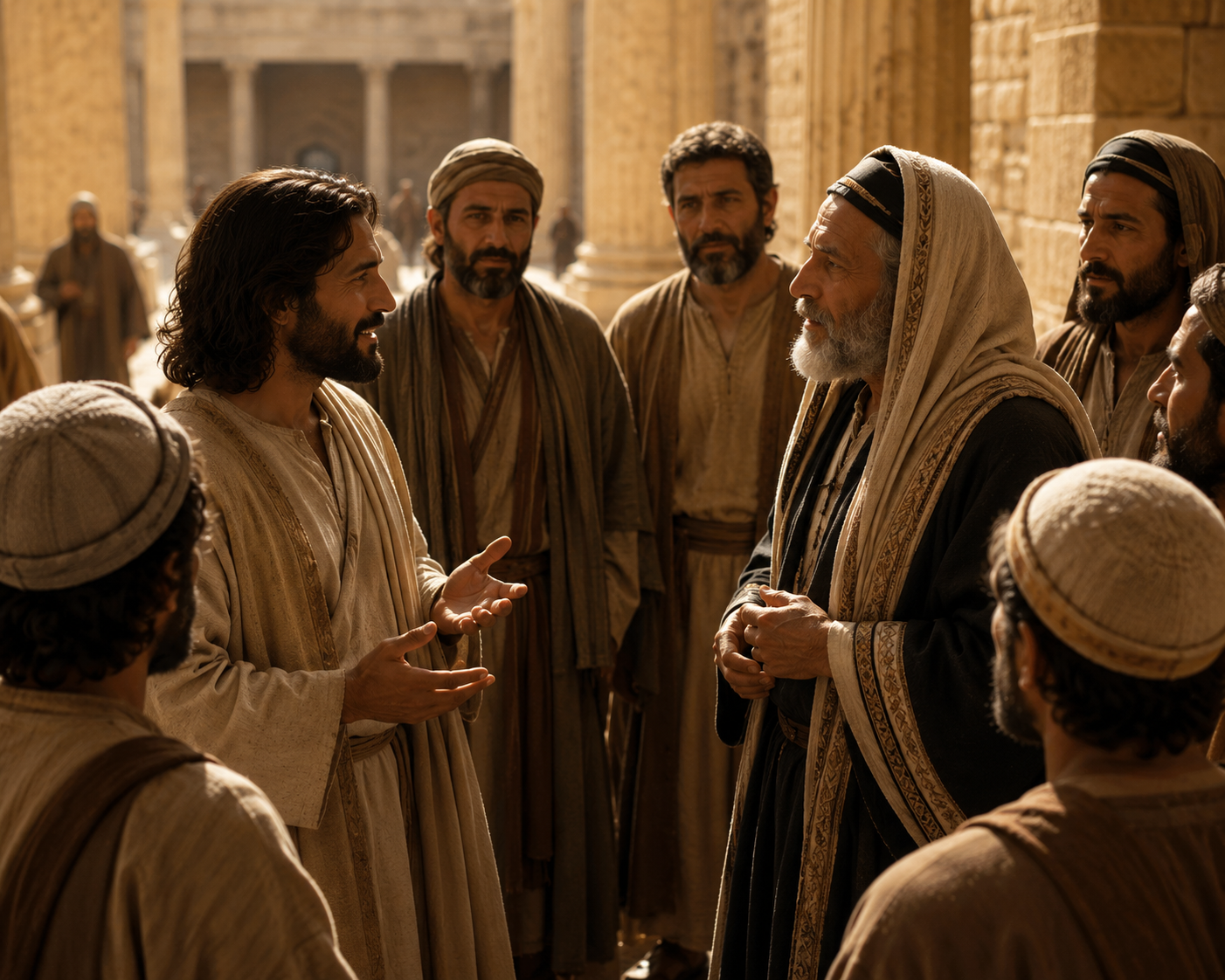
Jesus had every opportunity, in His own ministry, to correct the monotheism of the Jews if it had been wrong. The clearest test case is the scribe who came to Him with the greatest commandment. The scribe not only quoted the Shema but added his own confession of God’s strict oneness:
…Well, Master, thou hast said the truth: for there is one God; and there is none other but he… And when Jesus saw that he answered discreetly, he said unto him, Thou art not far from the kingdom of God.
Notice what Jesus did not do. The scribe said there is one God and “none other but he” — a single divine Person — and Jesus answered that he had spoken the truth, that he had answered discreetly, and that he was not far from the kingdom of God. There is no gentle correction here, no “you are close, but there are three.” The Teacher who never let error pass uncorrected affirmed the man’s strict monotheism. Had the kingdom of God required a Trinity, a man this close to it could not have been left believing in “one God…none other but he.”
Question 03
Whom did Jesus Himself call the only true God?
Answer
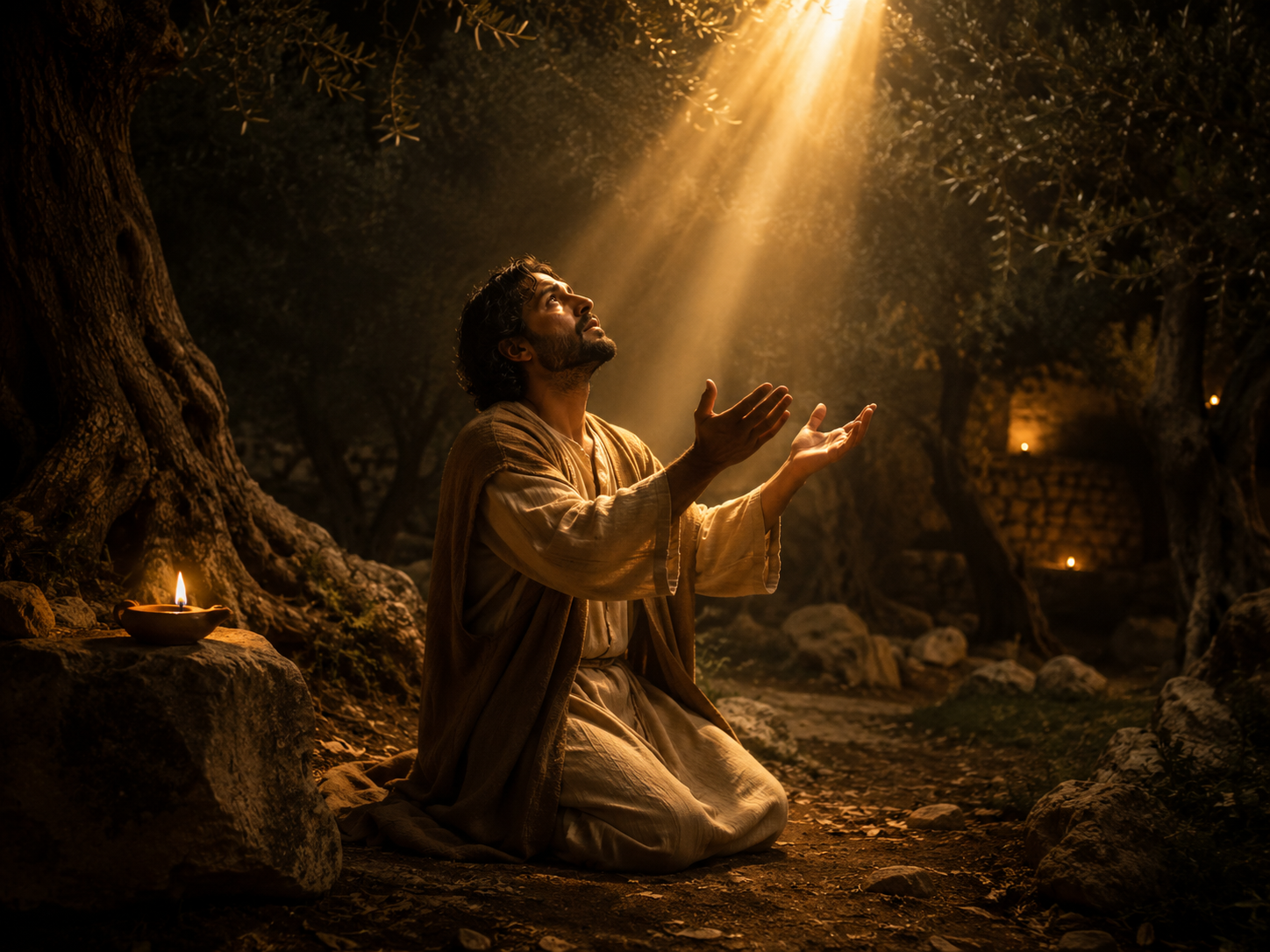
We do not have to infer the answer. On the last night before the cross, Jesus prayed aloud, and in that prayer He named the only true God — and distinguished Himself from Him:
And this is life eternal, that they might know thee the only true God, and Jesus Christ, whom thou hast sent.
The One Jesus addresses as “the only true God” is the Father; Jesus places Himself alongside as the One whom the Father sent. He never reverses it. Throughout His life Jesus worshipped the Father, prayed to the Father, and spoke of the Father as His own God. Even after the resurrection He told Mary:
…I ascend unto my Father, and your Father; and to my God, and your God.
The risen Christ has a God — the same Father who is our God. A Being who has a God above Him is not the only true God; He is the Son of that God. The witness of Christ Himself is that the Father alone is “the only true God,” and that to know Him, and the Son He sent, is eternal life.
Question 04
When Jesus said “I AM,” what was He claiming?
Answer
Here we must be careful and exact, because this is the verse most often pressed into proving that Jesus is the Father. When the Jews challenged His age, Jesus answered with the divine name:
Jesus said unto them, Verily, verily, I say unto you, Before Abraham was, I am.
This is a genuine claim to divinity, and we must not soften it. Jesus takes to Himself the very name spoken from the burning bush — “I AM THAT I AM” (Exodus 3:14). He is declaring that He is the eternal Word, the Voice that spoke to Moses, the One who was before Abraham. But notice how He carried that name. The same Gospel records Him saying that the words He spoke were not His own:
For I have not spoken of myself; but the Father which sent me, he gave me a commandment, what I should say, and what I should speak… whatsoever I speak therefore, even as the Father said unto me, so I speak.
…the words that I speak unto you I speak not of myself: but the Father that dwelleth in me, he doeth the works.
So the “I AM” of the burning bush was the Father speaking through His Word — and that Word is the Son, who eternally bears the Father’s name and speaks the Father’s words. To claim the divine name is not the same as claiming to be the one true God Himself. Jesus claimed to be the eternal Word and Voice of the Father, divine with the Father’s own divinity — but He never claimed to be the Father, the only true God, the Ancient of Days. That claim He never made.
Question 05
What did Jesus actually claim to be?
Answer
If He did not claim to be the one true God, what did He claim? He claimed, again and again, to be the Son of God — and His enemies understood exactly what that meant. When He healed on the Sabbath and called God His own Father, the response was immediate:
Therefore the Jews sought the more to kill him, because he not only had broken the sabbath, but said also that God was his Father, making himself equal with God.
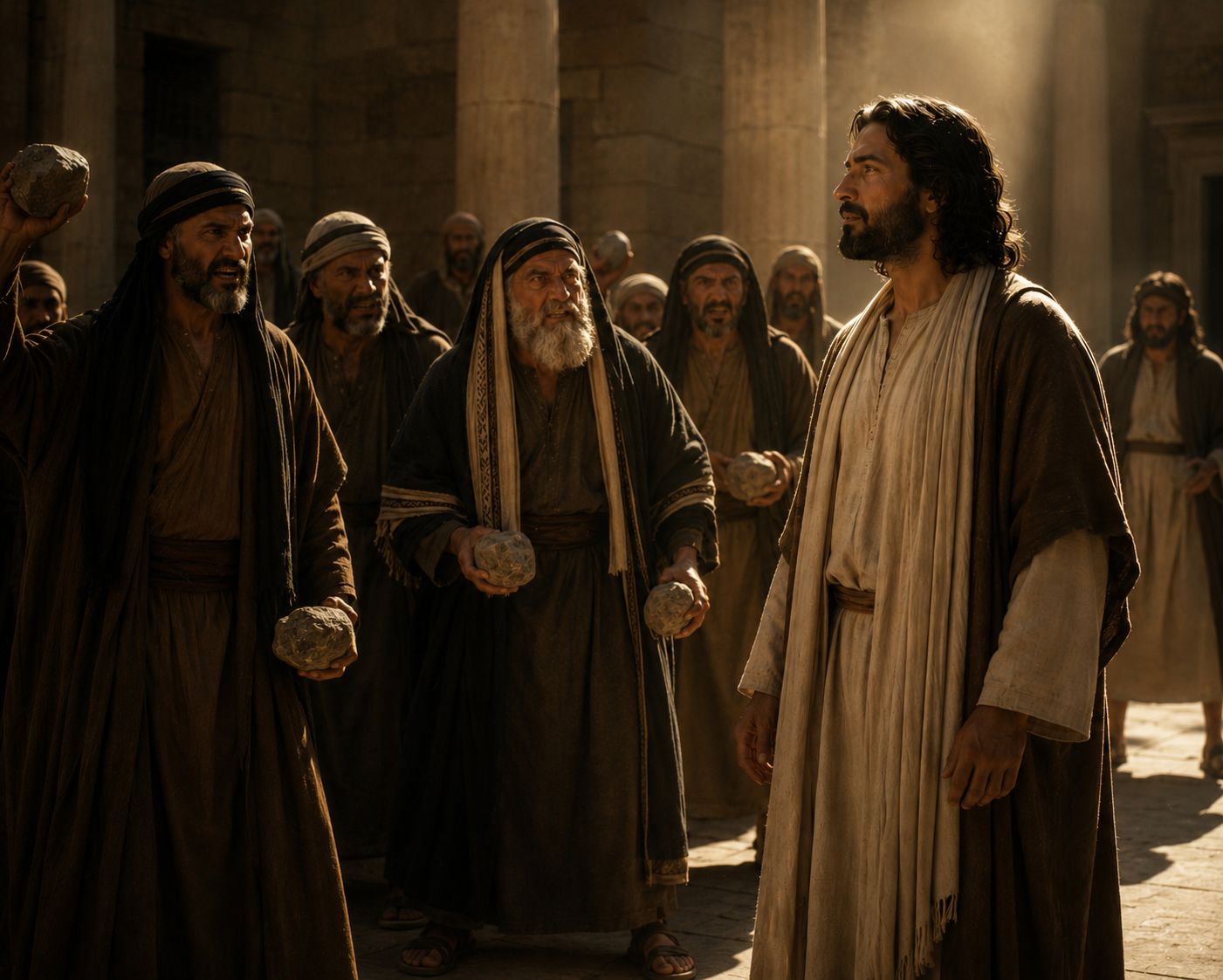
To call God His own Father, in their hearing, was to make Himself equal with God. They did not hear a metaphor; they heard a Son claiming the Father’s own nature. The same charge returns when they take up stones to kill Him:
…For a good work we stone thee not; but for blasphemy; and because that thou, being a man, makest thyself God… Say ye of him, whom the Father hath sanctified, and sent into the world, Thou blasphemest; because I said, I am the Son of God?
When accused of making Himself God, Jesus did not answer, “Yes, I am the one true God.” He answered by reaffirming the very title He had used: “I said, I am the Son of God.” That is the claim — true and full divinity as the begotten Son who inherits the Father’s nature, and is therefore rightly called equal with God, yet who is not the Father. The Jews were right that Sonship in this sense meant equality with God; they were wrong only to call it blasphemy.
Question 06
How do we read the hard sayings rightly?
Answer
The single most common mistake in this whole subject is to seize one saying of Jesus and forget its companion. We cannot quote one half of His words and silence the other. He said:
I and my Father are one.
And in the same Gospel, to the same disciples, He also said:
…I go unto the Father: for my Father is greater than I.
Both are true, and both are His. The Son is one with the Father — one in nature, in purpose, in will, in the divine life He received from Him — and the Father is greater than the Son, the Source from whom the Son came forth. Read “I and my Father are one” while ignoring “my Father is greater than I,” and you build a Trinity; read “my Father is greater than I” while ignoring “I and my Father are one,” and you make Christ a mere creature. Scripture lets us do neither. The witness of Christ holds them together: a real Son, of one nature with His Father, sent by a Father who is greater than He — the only true God, and Jesus Christ whom He sent.
Personal response
Sit with the words of Jesus as they stand, before any system is laid over them. He worshipped the Father, called the Father “my God,” and named the Father “the only true God” — and in the same breath claimed the divine name and equality as the Father’s own Son. Have you been holding only one half of His witness? Ask the Father, in His Son’s name, for the honesty to receive both: the Son who is truly divine, and the Father who is truly greater. To know Them as They reveal Themselves is eternal life.
Foundational text
And this is life eternal, that they might know thee the only true God, and Jesus Christ, whom thou hast sent.